Prop Threading
What could weights possibly have to do with writing you wonder? I'm glad you asked. As I am reading a lot of highly regarded books, one thing I notice is that any item worth mentioning in any detail usually comes up later. Not always, of course. The detail of the chandelier in "The Road" by Cormac McCarthy was presented as a very out of place detail in a house. It served the purpose of pointing out what the protagonist noticed that was out of the ordinary.
Here though, I am talking about something different. When I discuss chapter cohesion with other writers, I often discuss story threading. This is where as you move in and out of a chapter, certain threads continue through, some end, others start, but there is connective tissue that binds the chapter into place. Without, you normally find a chapter that, if removed, nothing in the book changes. In those cases, it's time to get a needle and dive in, or cut your darling.
But I noticed something in many books that I am going to refer to as "Prop Threading." Before I even gave this a name, and who knows it might already have one, I found that I really enjoyed the experience of how threading a prop makes a difference.
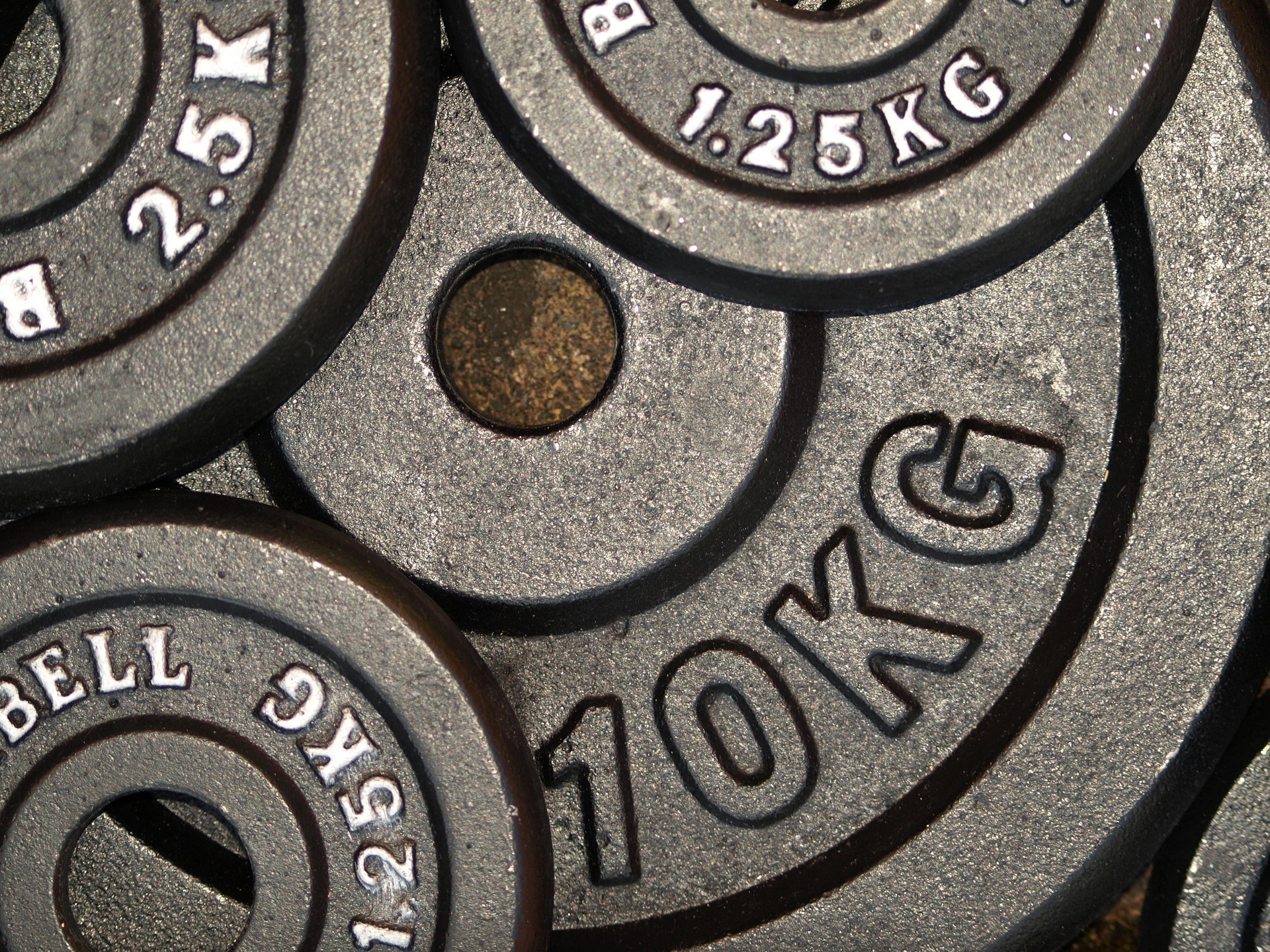
The most recent example I have is from "Demon Copperhead" by Barbara Kingsolver. There is a scene in one of the chapters where Demon talks about his mother's new boyfriend, Stoner. Stoner had moved weights into the living room of his mother's house and Kingsolver goes on to talk about how important working out appears to Stoner.
Now, many chapters later, Stoner uses those weights to put up against Demon's door to keep him inside. As a reader, as soon as the weights are mentioned, you remember back when they were important for a different reason. And here, something important established earlier on is sacrificed for the need in the story at this point (doesn't need to be a sacrifice, but in this instance, it reads like one).
This is what I call prop threading, and I find, when I come across these, that recognition of the prop and it being re-used carries an interesting joy for me. The "Oh! I remember that."
I will say, there is an important bit to consider though. When you introduce props, always be thinking of how you can have them do double or triple duty. You want them to feel natural in the scene, generating subtext, not an obvious plant or MacGuffin. When Kingsolver describes Stoner working out, there is so much subtext of what kind of person he is. But getting to re-use that prop, it comes with so much more weight (pun intended). Given he has to stack them up in front of the door, you are left wondering, is he sacrificing his working out? Or, has he stopped working out now that he is married to Demon's mom and doesn't need to keep up with himself?
I'll also say the other reason "named" props really work is because then they are not generic. When you want to connect with your reader, specificity goes a long way, because specificity reveals details of the world a generic item couldn't. Your protagonist walks into an apartment and doesn't just see "some magazines scattered on an end-table" but instead finds "Soldier of Fortune and Field and Stream lay open on a craiglist coffee table that had to be free to a good home." Of course, specificity is like spice, you have to balance it.
But, heading back to prop threading, you can impart emotional connections to props and carry that forward. It also makes your reader wonder what other items they learn of and how they might matter later.